Tag: Pie

  • Meringue Pie Recipe

    Meringue Pie Recipe

    meringue pie recipe

    Meringue Pie Recipe (Easy 6-Inch Pie for Two)


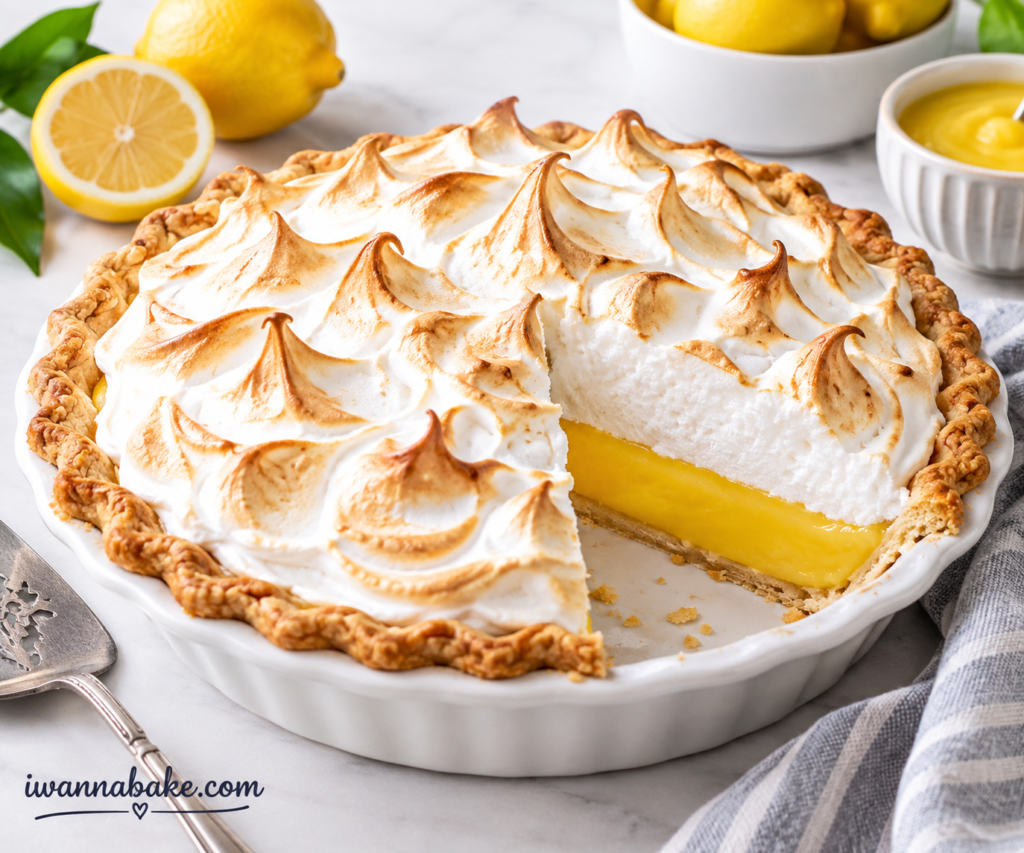
    If a whole 9-inch lemon meringue pie always leaves you with three-quarters of a pie going stale on the counter, this small lemon meringue pie recipe is the fix. It’s scaled down to fit a 6-inch pan, so you get a full pie experience — crisp buttery crust, silky-tart lemon filling, and a cloud of toasted meringue — without the leftovers problem. It’s also genuinely easier to get right than a full-size pie, because a smaller batch of filling cooks and sets more evenly, and a smaller meringue is less prone to weeping.
    This recipe is written for home bakers who want a dependable, from-scratch lemon meringue pie, not a shortcut version with instant pudding. Every step below explains what to look for, so even if you’ve never made meringue before, you’ll know exactly when it’s ready.

    Why You’ll Love This Small Lemon Meringue Pie

    ⦁ Perfectly portioned for two to four people, with no half-eaten pie in the fridge for a week.
    ⦁ Uses simple pantry staples — no condensed milk shortcuts or instant filling mixes.
    ⦁ Built-in tips prevent the two most common lemon meringue pie problems: weeping and shrinking.
    ⦁ Ready in under 2 hours, including chilling time.

    What You Need for This Small Lemon Meringue Pie Recipe

    Here’s a quick look at what goes into each component. Exact measurements are in the recipe card further down, along with the full instructions.

    For the Crust

    ⦁ All-purpose flour, salt, and a touch of sugar for a crisp, slightly sweet base.
    ⦁ Cold unsalted butter, cut into small cubes — cold butter is what makes the crust flaky.
    ⦁ Ice water, added a tablespoon at a time until the dough just comes together.

    For the Lemon Filling

    ⦁ Granulated sugar, cornstarch, and a spoonful of flour to thicken the filling and help it hold a clean slice.
    ⦁ Fresh lemon juice and zest — fresh is worth it here, since bottled juice tastes noticeably flatter.
    ⦁ Egg yolks, which give the filling its rich, custardy texture (the whites are saved for the meringue).
    ⦁ A little butter, whisked in at the end for shine and a smoother mouthfeel.

    For the Meringue

    ⦁ Egg whites at room temperature, which whip up taller and more stable than cold ones.
    ⦁ Cream of tartar, to stabilize the egg whites and help prevent weeping.
    ⦁ Granulated sugar, added gradually so the meringue turns glossy instead of grainy.

    How to Make a Small Lemon Meringue Pie

    Step 1: Make and Blind Bake the Crust

    Step 1: Make and Blind Bake the Crust
    Cut the cold butter into the flour mixture until it looks like coarse, pea-sized crumbs — you should still see small flecks of butter, since those are what create flaky layers in the oven. Add ice water just until the dough holds together when you squeeze it; too much water makes a tough crust. Chill the dough, then roll it out, fit it into your pan, and blind bake it (with pie weights) until it’s light golden all over, including the bottom. A fully baked crust is what keeps this pie from turning soggy.

    Step 2: Cook the Lemon Filling

    Whisk the sugar, cornstarch, flour, and salt together before adding any liquid — this prevents lumps. Cook the mixture over medium heat, whisking constantly, until it thickens enough to coat the back of a spoon and starts to bubble gently. Temper the egg yolks by whisking in a little of the hot mixture first, then stir them back into the pan and cook for two more minutes. The filling is ready when it’s thick enough to hold a line when you drag a spoon through it.

    Step 3: Whip the Meringue

    Beat the room-temperature egg whites with cream of tartar until foamy, then add the sugar one tablespoon at a time. Keep beating until the meringue holds stiff, glossy peaks that stand straight up when you lift the beaters. If the meringue looks dull or grainy, it needs more time — this step can’t be rushed.

    Step 4: Assemble, Bake, and Cool

    Pour the hot filling into the baked crust right away, then immediately spread the meringue over the top while the filling is still hot. Make sure the meringue touches the crust all the way around the edge — this seals in the filling and is the single biggest factor in preventing shrinkage. Bake just until the peaks turn golden, then cool the pie fully before slicing so the filling has time to set.

    Expert Tips for a No-Weep Meringue

    ⦁ Whip the egg whites to true stiff peaks — the meringue should stand up straight and not flop over when you lift the beaters.
    ⦁ Dissolve the sugar fully; rub a bit of meringue between your fingers, and it should feel smooth, not gritty.
    ⦁ Always spread meringue over hot filling, never over a cooled or chilled filling.
    ⦁ Seal the meringue to the crust on all sides — any exposed filling edge is where shrinking starts.
    ⦁ Avoid making meringue pie on a very humid day if possible, since humidity encourages weeping.

    Common Mistakes to Avoid

    ⦁ Skipping the blind bake, which leads to a soggy, undercooked bottom crust.
    ⦁ Not cooking the filling long enough, which results in a pie that won’t slice cleanly.
    ⦁ Using cold or under-whipped egg whites, which produces a flat, weepy meringue.
    ⦁ Refrigerating the pie before the meringue has cooled slightly at room temperature, which can cause condensation.

    Ingredient Substitutions

    This table can help if you’re missing an ingredient or want a slightly different result.

    IngredientPossible SubstituteEffect on Result
    Fresh lemon juiceBottled lemon juiceStill works, but flavor is slightly flatter and less bright
    Unsalted butter (crust)Cold vegetable shorteningFlakier crust with a milder flavor
    CornstarchAll-purpose flour (use double the amount)Filling sets softer and slightly less glossy
    Cream of tartar1/2 teaspoon lemon juiceSimilar stabilizing effect on the meringue
    Granulated sugar (meringue)Superfine sugarDissolves faster for a smoother, glossier meringue

    Variations to Try

    ⦁ Graham cracker crust: swap the pastry crust for a pressed graham cracker crust for a no-fuss, no-blind-bake option.
    ⦁ Berry swirl: dot the filling with a spoonful of raspberry jam before adding the meringue for a fruity twist.
    ⦁ Whipped cream topping: skip the meringue entirely and top the chilled pie with lightly sweetened whipped cream instead.
    ⦁ Key lime version: replace the lemon juice and zest with lime juice and zest for a small key lime meringue pie.

    Serving Suggestions

    Serve this pie well chilled, sliced into wedges with a warm knife (wipe it between cuts for clean slices). A few curls of lemon zest on top make a nice finishing touch, and it pairs well with a cup of tea or coffee for an afternoon treat.

    How to Store and Freeze

    Cover the pie loosely and refrigerate for up to 3 days. The meringue is at its best on the first and second day, since it will slowly weep a little moisture over time — this is normal for meringue-topped pies. Meringue does not freeze well, so this pie isn’t a great candidate for freezing once assembled. If you’d like to prep ahead, the baked crust can be made up to 2 days in advance and stored at room temperature in an airtight container.

    Troubleshooting

    ProblemLikely CauseFix
    Meringue weeps (watery beads)Egg whites under-whipped or filling not hot enoughWhip to full stiff peaks; spread meringue on hot filling right away
    Meringue shrinks from the crustMeringue was spread on a cooled filling, or didn’t touch the edgesAlways seal meringue to the crust all the way around while filling is hot
    Soggy bottom crustCrust wasn’t fully blind bakedBake the empty crust until golden all over, including the base, before filling
    Filling is runny after chillingFilling wasn’t cooked long enough on the stoveBake the empty crust until golden all over, including the base, before filling

    Frequently Asked Questions

    Why is my lemon meringue pie runny?

    This almost always means the filling wasn’t cooked long enough. It needs to visibly thicken and gently bubble on the stove — if it still looks thin when you remove it from the heat, it won’t set properly once cooled.

    Can I make this small lemon meringue pie ahead of time?

    You can bake the crust up to 2 days ahead and store it at room temperature. The filling and meringue, however, are best made and baked the same day you plan to serve the pie, since the meringue softens over time.

    Can I use bottled lemon juice instead of fresh?

    Yes, in a pinch. The pie will still set correctly, but the flavor will be noticeably less bright than with fresh lemon juice and zest.

    Can I make this recipe in a regular 9-inch pie pan?

    This recipe is scaled for a 6-inch pan. To make a standard 9-inch pie, roughly double all of the ingredients and expect a slightly longer bake time for the crust and meringue.

    Why did my meringue turn watery on top after a day in the fridge?

    A little weeping over time is normal for meringue-topped pies, especially in humid conditions. To minimize it, make sure the meringue was fully whipped to stiff peaks and spread over hot filling, and serve the pie within a day or two.

    Related Recipes on iwannabake.com

    ⦁ Small Batch Lemon Bars
    ⦁ Homemade Lemon Curd From Scratch
    ⦁ Small Batch Key Lime Pie
    ⦁ No-Weep Meringue: Tips for Any Meringue Pie
    ⦁ Small Batch Chocolate Chip Cookies

    Slice of small lemon meringue pie with golden toasted meringue on a white plate
    iwannabake.com

    Meringue Pie (Easy 6-Inch Pie for Two)

    A small, from-scratch lemon meringue pie with a buttery crust, silky-tart lemon filling, and fluffy toasted meringue. Perfectly portioned for two to four servings — no leftovers to worry about.
    Prep Time 25 minutes
    Cook Time 30 minutes
    Total Time 1 hour 30 minutes
    Course: Basics, Dessert
    Cuisine: American
    Calories: 290

    Ingredients
      

    Crust
    • 3/4 cup (95g) all-purpose flour
    • 1/4 teaspoon salt
    • 1/2 teaspoon granulated sugar
    • 5 tablespoons (70g) cold unsalted butter, cubed
    • 2–3 tablespoons ice water
    Lemon Filling
    • 2/3 cup (135g) granulated sugar
    • 2 tablespoons (16g) cornstarch
    • 1 tablespoon (8g) all-purpose flour
    • Pinch of salt
    • 3/4 cup (180ml) water
    • 2 large egg yolks (reserve the whites for the meringue)
    • 1/3 cup (80ml) fresh lemon juice, about 2 medium lemons
    • 1 teaspoon lemon zest
    • 2 tablespoons (28g) unsalted butter
    Meringue
    • 2 large egg whites, room temperature
    • 1/4 teaspoon cream of tartar
    • 1/4 cup (50g) granulated sugar
    • 1/2 teaspoon vanilla extract

    Method
     

    1. 1. Make the crust: In a bowl, whisk together the flour, salt, and sugar. Cut in the cold butter with a pastry cutter or your fingers until the mixture looks like coarse crumbs with pea-sized butter pieces. Add ice water one tablespoon at a time, mixing just until the dough comes together. Shape into a disk, wrap, and chill for 30 minutes.
      2. Roll the chilled dough on a lightly floured surface and fit it into a 6-inch pie or tart pan. Trim and crimp the edges, then prick the bottom all over with a fork. Chill for another 15 minutes.
      3. Preheat the oven to 375°F (190°C). Line the crust with parchment paper and fill with pie weights (or dried beans). Blind bake for 15 minutes, remove the weights and parchment, then bake 5–8 minutes more until light golden all over. Set aside to cool slightly. Reduce the oven to 350°F (175°C).
      4. Make the filling: In a saucepan, whisk together the sugar, cornstarch, flour, and salt. Whisk in the water until smooth. Cook over medium heat, whisking constantly, for about 5 minutes, until thickened and just starting to bubble.
      5. Whisk about 1/4 cup of the hot mixture into the egg yolks to temper them, then pour the yolk mixture back into the saucepan. Cook for 2 more minutes, whisking constantly, until very thick. Remove from heat and stir in the butter, lemon juice, and lemon zest until smooth.
      6. Pour the hot filling into the baked crust immediately.
      7. Make the meringue: Beat the egg whites and cream of tartar on medium speed until foamy. Increase the speed and add the sugar one tablespoon at a time, beating until stiff, glossy peaks form. Beat in the vanilla extract.
      8. Spread the meringue over the hot filling, making sure it touches the crust edge all the way around to seal it in. Swirl or peak the top with the back of a spoon.
      9. Bake at 350°F (175°C) for 10–12 minutes, until the meringue is golden brown.
      10. Cool the pie on a wire rack at room temperature for 1 hour, then refrigerate for at least 2 hours before slicing.

    Notes

    ⦁ Room-temperature egg whites whip to a taller, more stable meringue than cold ones.
    ⦁ Cook the filling until it’s very thick before removing it from the heat — an under-cooked filling won’t set and will make the pie runny.
    ⦁ Spread the meringue while the filling is still hot; this is what prevents shrinking and weeping.
    ⦁ For best texture, serve the pie the same day or the day after it’s made.
  • Apple Cinnamon Rolls

    Apple Cinnamon Rolls

    small batch apple cinnamon rolls

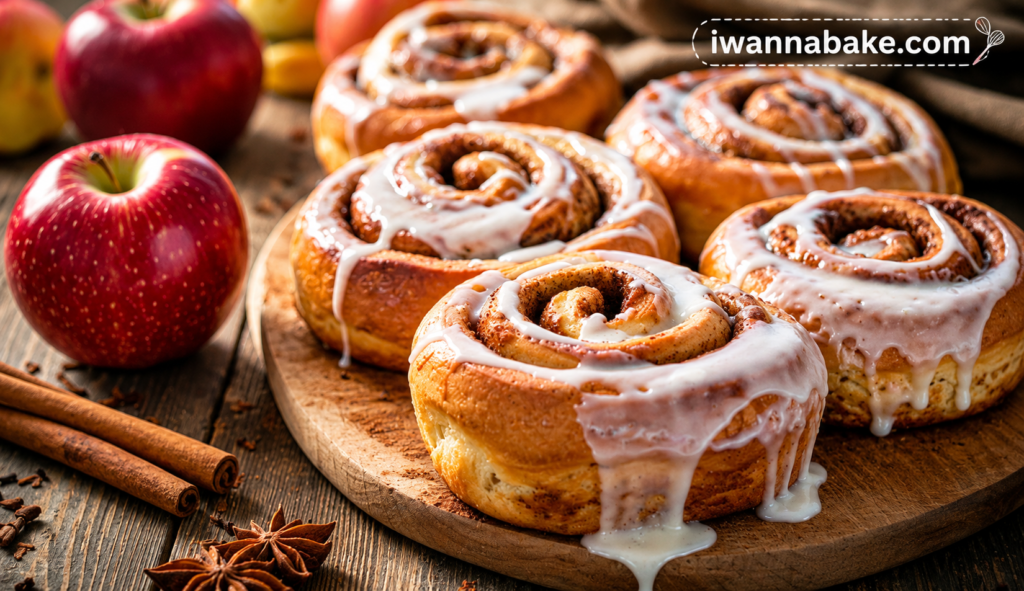
    There’s something about the smell of cinnamon rolls baking that instantly makes a kitchen feel like fall, and adding real apple pieces to the mix only makes it better. These small batch apple cinnamon rolls give you soft, pillowy dough wrapped around a buttery cinnamon-apple filling, all finished with a simple cream cheese icing.
    Unlike most cinnamon roll recipes that fill an entire 9×13 pan,1 this one makes just 6 rolls. That means less dough to knead, less filling to prep, and no half-eaten pan of rolls sitting on your counter for a week. It’s the perfect weekend baking project for one or two people, or a smaller family breakfast.

    Why This Recipe Works

    ⦁ Real apple flavor in every bite. Diced apples are cooked down slightly before rolling so they soften into the dough instead of staying raw and watery.
    ⦁ What You’ll NeedGenuinely small batch. Six rolls fit neatly into a small baking dish, so you’re not stuck with leftovers you don’t want.
    ⦁ Soft, enriched dough. A touch of milk and butter keeps the dough tender without needing a stand mixer.
    ⦁ No overnight wait. Many cinnamon roll recipes require refrigerating the dough overnight. This one is ready in about two hours, start to finish.

    What You’ll Need

    The full recipe card below has exact measurements, but here’s what each ingredient is doing:
    ⦁ All-purpose flour – gives the dough enough structure to hold its shape while staying soft once baked.
    ⦁ Instant yeast – speeds up the rise so you don’t need to wait for a sponge to activate separately.
    ⦁ Warm milk and melted butter – these enrich the dough and keep it tender rather than bread-like.
    ⦁ Apples – a firm, slightly tart variety like Granny Smith or Honeycrisp holds its shape best during baking.
    ⦁ Brown sugar and cinnamon – the classic filling base, with brown sugar adding moisture that granulated sugar can’t.
    ⦁ Cream cheese icing – a simple mix of cream cheese, powdered sugar, and milk that sets into a soft, tangy glaze rather than a hard sugar coating.

    Ingredient Substitutions

    IngredientSubstituteNotes
    Instant yeastActive dry yeastDissolve in warm milk for 5-10 minutes before using; rise time may be slightly longer
    Granny Smith applesHoneycrisp or Braeburn applesChoose a firm apple so it doesn’t turn mushy during baking
    Brown sugarGranulated sugar + 1 tsp molassesKeeps the filling moist and deeply flavored
    Cream cheese icingSimple powdered sugar glaze (powdered sugar + milk)Lighter, less tangy finish
    Whole milk2% milk or dairy-free milkDough will be slightly less rich but still soft

    Small Batch Apple Cinnamon Rolls

    Soft, buttery rolls filled with cinnamon-sugar and tender diced apples, topped with a tangy cream cheese icing. This small batch recipe makes just 6 rolls, perfect for a cozy weekend breakfast without a mountain of leftovers.
    Prep time: 30 minutes
    Rise time: 45 minutes
    Cook time: 22 minutes
    Total time: 1 hour 37 minutes
    Servings: 6 rolls
    Category: Breakfast, Dessert
    Cuisine: American

    Ingredients

    For the dough:
    ⦁ 2 cups all-purpose flour
    ⦁ 2 1/4 tsp instant yeast (1 packet)
    ⦁ 2 tbsp granulated sugar
    ⦁ 1/2 tsp salt
    ⦁ 1/2 cup warm whole milk (about 110°F)
    ⦁ 2 tbsp unsalted butter, melted
    ⦁ 1 large egg
    For the apple cinnamon filling:
    ⦁ 1 medium Granny Smith apple, peeled and finely diced
    ⦁ 2 tbsp unsalted butter, softened
    ⦁ 1/3 cup brown sugar, packed
    ⦁ 1 1/2 tsp ground cinnamon
    ⦁ 1/4 tsp ground nutmeg
    For the cream cheese icing:
    ⦁ 2 oz cream cheese, softened
    ⦁ 1/2 cup powdered sugar
    ⦁ 1-2 tbsp milk, as needed
    ⦁ 1/4 tsp vanilla extract

    Instructions

    1. Activate the dough. In a large bowl, whisk together the flour, instant yeast, sugar, and salt. Add the warm milk, melted butter, and egg. Stir with a spatula, then knead by hand on a floured surface for about 5 minutes until the dough is smooth and slightly tacky.
    2. Let it rise. Place the dough in a lightly oiled bowl, cover with a towel, and let rise in a warm spot for 30-35 minutes, until roughly doubled in size.
    3. Prepare the apple filling. While the dough rises, cook the diced apple with 1 tablespoon of butter in a small skillet over medium heat for 3-4 minutes, just until slightly softened. Remove from heat and let cool.
    4. Mix the cinnamon sugar. In a small bowl, combine the brown sugar, cinnamon, and nutmeg.
    5. Roll out the dough. Punch down the risen dough and roll it into a 9×12-inch rectangle on a floured surface.
    6. Fill and roll. Spread the softened butter evenly over the dough. Sprinkle the cinnamon sugar mixture on top, then scatter the cooked apple pieces evenly across the surface. Starting from a long edge, roll the dough tightly into a log.
    7. Slice. Using a sharp knife or unflavored dental floss, slice the log into 6 equal rolls.
    8. Second rise. Arrange the rolls cut-side up in a greased 8-inch baking dish. Cover and let rise for another 15-20 minutes while you preheat the oven to 350°F (175°C).
    9. Bake. Bake for 20-22 minutes, until the rolls are golden brown and the centers are set but still soft.
    10. Ice and serve. Let the rolls cool for 10 minutes. Meanwhile, whisk together the cream cheese, powdered sugar, milk, and vanilla until smooth. Drizzle over the warm rolls before serving.

    Recipe Notes

    ⦁ Pre-cooking the apples for a few minutes keeps them from releasing too much moisture into the dough while baking.
    ⦁ Dental floss makes cleaner slices than a knife, since it won’t squash the rolled dough.
    ⦁ The dough should feel tacky but not sticky to the touch. If it sticks heavily to your hands, add flour 1 tablespoon at a time while kneading.

    What the Dough Should Look Like

    After kneading, the dough should be smooth, elastic, and spring back slowly when poked. It should feel soft but hold its shape, not spread out flat on the counter. After the first rise, it should have visibly doubled and feel airy and light when pressed.

    Common Mistakes to Avoid

    ⦁ Milk that’s too hot. Milk above 120°F can kill the yeast, preventing the dough from rising. Aim for warm, not hot, similar to bathwater.
    ⦁ Skipping the apple pre-cook. Raw diced apple releases too much liquid during baking, making the rolls soggy in the center.
    ⦁ Rolling the dough too loosely. A loose roll leads to rolls that unravel and bake unevenly. Roll firmly but gently from the start.
    ⦁ Overbaking. Rolls continue to set as they cool. Pull them out when the tops are golden and the centers look just set.

    Variations to Try

    ⦁ Caramel apple rolls – drizzle warm caramel sauce over the icing for an extra layer of flavor.
    ⦁ Pecan apple rolls – sprinkle 2 tablespoons of chopped pecans over the filling before rolling for added crunch.
    ⦁ Maple icing – replace the vanilla extract with 1/2 teaspoon maple extract and a tablespoon of maple syrup for a fall-forward glaze.
    ⦁ Spiced version – add 1/4 teaspoon ground cloves or allspice to the cinnamon sugar for a deeper spice flavor.

    Storage and Freezing

    At room temperature: Store leftover rolls in an airtight container for up to 2 days. Warm briefly before serving for the best texture.
    In the fridge: Iced rolls will keep for up to 5 days in an airtight container in the refrigerator. Let them come to room temperature or microwave for 15-20 seconds before eating.
    In the freezer: Freeze the unbaked, sliced rolls (before the second rise) in a freezer-safe dish, tightly wrapped, for up to 2 months. Thaw overnight in the fridge, then let rise at room temperature for 45-60 minutes before baking as directed. Baked, unfrosted rolls can also be frozen for up to 2 months and reheated in the oven.

    Troubleshooting

    My rolls didn’t rise.
    This is usually caused by yeast that’s expired or milk that was too hot and killed the yeast. Check the expiration date on your yeast and make sure your milk feels warm, not hot, to the touch.
    My rolls are dense instead of fluffy.
    This often means the dough wasn’t kneaded long enough, or too much flour was added during kneading. The dough should stay soft and slightly tacky.
    The filling leaked out during baking.
    Make sure the apples are well-drained after cooking and that the dough log is rolled tightly before slicing.
    Can I make the dough ahead of time?
    Yes. After the first rise, shape and slice the rolls, place them in the baking dish, cover tightly, and refrigerate overnight. Let them sit at room temperature for 30-45 minutes before baking.
    What’s the best apple to use for cinnamon rolls?
    A firm, slightly tart apple like Granny Smith holds its shape well during baking. Honeycrisp is a good alternative if you prefer a sweeter filling.

    Frequently Asked Questions

    Can I double this recipe?
    Yes, this recipe doubles well. Use a 9×13-inch baking dish instead of an 8-inch dish to fit all 12 rolls with enough room to rise.
    Do I need a stand mixer?
    No. This dough comes together easily by hand with about 5 minutes of kneading.

    Can I make the dough ahead of time
    Yes. After the first rise, shape and slice the rolls, place them in the baking dish, cover tightly, and refrigerate overnight. Let them sit at room temperature for 30-45 minutes before baking.
    What’s the best apple to use for cinnamon rolls?
    A firm, slightly tart apple like Granny Smith holds its shape well during baking. Honeycrisp is a good alternative if you prefer a sweeter filling.

    You Might Also Like

    ⦁ Small Batch Cinnamon Rolls
    ⦁ 2 Banana Bread
    ⦁ Small Batch Muffins
    ⦁ Banana Bread Without Eggs
    ⦁ Small Batch Chocolate Chip Cookies

    \

    Small batch apple cinnamon rolls topped with cream cheese icing in a baking dish
    benbaker0078

    Small Batch Apple Cinnamon Rolls

    Soft, buttery cinnamon rolls filled with real diced apples and cinnamon-sugar, topped with a tangy cream cheese icing. This small batch recipe makes just 6 rolls, so you get all the cozy fall flavor without a giant pan of leftovers.
    Prep Time 30 minutes
    Cook Time 22 minutes
    Total Time 1 hour 37 minutes
    Servings: 6 roll
    Course: Breakfast, Dessert
    Cuisine: American
    Calories: 310

    Ingredients
      

    Dough
    • 2 cups all-purpose flour
    • 2 1/4 tsp instant yeast (1 packet)
    • 2 tbsp granulated sugar
    • 1/2 tsp salt
    • 1/2 cup warm whole milk (about 110°F)
    • 2 tbsp unsalted butter, melte
    • 1 large egg
    Apple Cinnamon Filling
    • 1 medium Granny Smith apple, peeled and finely diced
    • 2 tbsp unsalted butter, softened
    • 1/3 cup brown sugar, packed
    • 1/2 tsp ground cinnamon
    • 1/4 tsp ground nutmeg
    Cream Cheese Icing
    • 2 oz cream cheese, softened
    • 1/2 cup powdered sugar
    • 1-2 tbsp milk, as needed
    • 1/4 tsp vanilla extract

    Equipment

    • Mixing bowl
    • Rolling Pin
    • 8-inch baking dish
    • Small skillet
    • Sharp knife or unflavored dental floss

    Method
     

    Make the Dough
    1. 1. In a large bowl, whisk together the flour, instant yeast, sugar, and salt
    2. 2. Add the warm milk, melted butter, and egg. Stir with a spatula, then knead by hand on a floured surface for about 5 minutes until the dough is smooth and slightly tacky.
    3. 3. Place the dough in a lightly oiled bowl, cover with a towel, and let rise in a warm spot for 30-35 minutes, until roughly doubled in size.
    Prepare the Filling
    1. 1. While the dough rises, cook the diced apple with 1 tablespoon of butter in a small skillet over medium heat for 3-4 minutes, just until slightly softened. Remove from heat and let cool.
    2. 2. In a small bowl, combine the brown sugar, cinnamon, and nutmeg.
    Assemble and Bake
    1. 1. Punch down the risen dough and roll it into a 9×12-inch rectangle on a floured surface.
    2. 2. Spread the softened butter evenly over the dough. Sprinkle the cinnamon sugar mixture on top, then scatter the cooked apple pieces evenly across the surface.
    3. 3. Starting from a long edge, roll the dough tightly into a log. Using a sharp knife or unflavored dental floss, slice the log into 6 equal rolls.
    4. 4. Arrange the rolls cut-side up in a greased 8-inch baking dish. Cover and let rise for another 15-20 minutes while you preheat the oven to 350°F (175°C).
    5. 5. Bake for 20-22 minutes, until the rolls are golden brown and the centers are set but still soft.
    Ice and Serve
    1. 1. Let the rolls cool for 10 minutes.
    2. 2. Meanwhile, whisk together the cream cheese, powdered sugar, milk, and vanilla until smooth.
    3. 3. Drizzle the icing over the warm rolls before serving.

    Notes

    ⦁ Pre-cooking the apples for a few minutes keeps them from releasing too much moisture into the dough while baking.
    ⦁ Dental floss makes cleaner slices than a knife, since it won’t squash the rolled dough.
    ⦁ The dough should feel tacky but not sticky. If it sticks heavily to your hands, add flour 1 tablespoon at a time while kneading.
    ⦁ For make-ahead rolls, refrigerate the sliced, unrisen rolls overnight, then let sit at room temperature for 30-45 minutes before baking.
  • How to Make Pie Crust Roses

    How to Make Pie Crust Roses


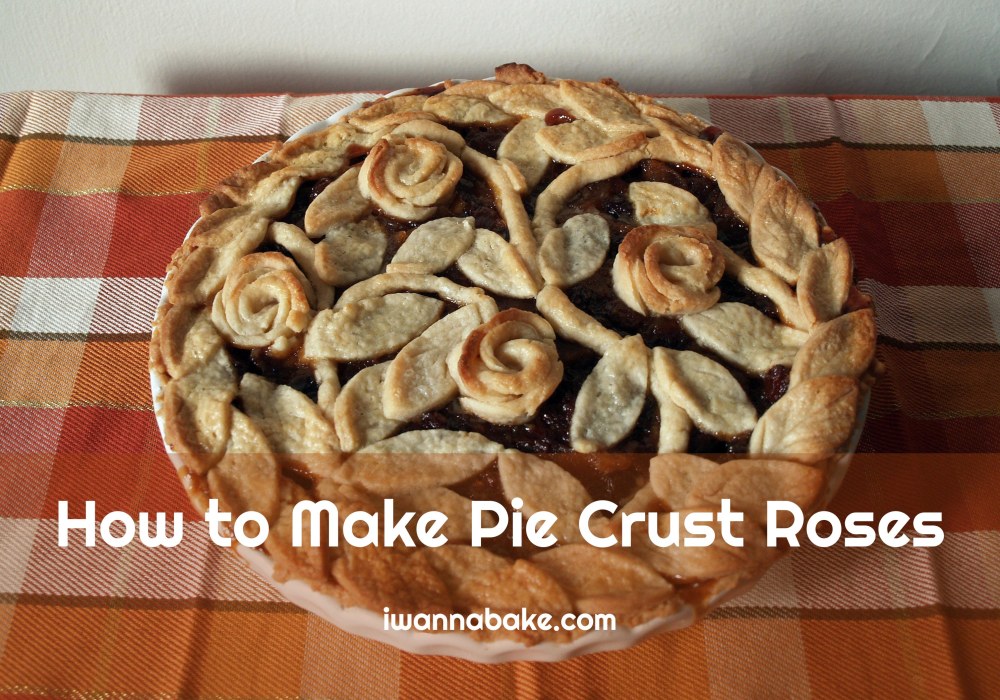
    Today, I bring you part two in my pie crust embellishment series.  This one is probably my personal favorite: roses!  These look really impressive, but as was the case with leaf borders, they’re deceptively easy to make.

    Seriously, all this takes is 5 circles cut out of a pie crust, a few drops of water, two cuts, and a little finessing. You can use the roses on their own, or you can add some leaves, vines, and/or different-sized roses to add an extra level of fanciness. I’ve also tried using colored sugar to make my roses red and my leaves green with some success.

    Once again, I’ll urge you to use homemade pie crust for this, but if you’re pressed for time or just don’t feel like dealing with it, you can use store-bought pie crust just fine. You might need an extra roll if you’re making a full arrangement with leaves and vines like I did, but you might be able to get by with just one if you’re careful with your scraps.

    For Pie Crust Roses You will need the following ingredients/supplies:

    • ½ recipe sweet pie crust or 1 roll store-bought pie crust (you will need more for the bottom crust)
    • heavy cream (optional)
    • decorating or colored sugar (optional)
    • circular cookie cutter or drinking glass
    • sharp knife
    • waxed or parchment paper

    Line a cookie sheet or large plate with waxed paper and set it aside.

    On a lightly-floured surface, roll out your pie crust until it’s about ⅛”-¼” thick.

    Cut 5 circles of crust for each two roses you will need (I like to use 4 or 5 roses, so 10-15 circles). Dust off as much flour as possible. You can use any excess dough to make leaves and vines.

    Dip your finger in some water and wet the top of one circle of dough.

    Place another circle on top of the wet part and gently press it down, overlapping approximately ⅓ of the first circle.

    Repeat the process with the remaining three dough circles until you have a chain 5 circles long.

    Starting from the end closest to you, roll the dough circles up into a tube. When you reach the end of the roll, wet the end of the last dough circle before pressing it against the roll to seal it.

    Using a sharp knife, slice off one end of the roll a little bit off-center. The piece you cut off should be a bit more than a third of the width of the entire roll.

    Repeat on the other side of the roll. Stand your two pieces up on their cut ends and gently flare the petals.

    Carefully transfer your roses to the lined cookie sheet and refrigerate them for at least half an hour before use.

    Meanwhile, gather together any remaining crust scraps and mush them together. Roll the ball into a rope about as thick as a pencil. The rope will likely break as you go, but that’s ok. You can either pinch the pieces back together or use them separately for different branches of vine.

    Refrigerate your vine pieces long enough to prevent them from stretching and tearing too much when you place them.

    When you’re ready to assemble your pie, take everything out of the fridge. First, arrange your vines as you like.

    If you are adding a leaf border, add it on now so that you can adjust your vine as needed.

    Now place your roses. I like to put them at the ends of the vines, but really, it’ll look nice as long wherever you place them.

    Finally, add in some extra leaves to fill out your design and cover more of the pie filling (here are a few different examples).

    Put the pie back in the fridge while your oven preheats. This will help maintain the shapes of your crust pieces. If they’re too warm, they will melt and burn.

    Mini Rose Crust Pie

    When your oven gets up to temperature, take the pie out again and brush the top crust with heavy cream.  Adjust the pieces as needed, as they will inevitably shift during this part.  Sprinkle with decorating sugar if you want a little sparkle and crunch (or used colored sugar if you want to try something different).

    Bake the pie as directed, checking after 30 minutes to make sure the roses and leaves aren’t browning too quickly. If they are, cover the browning parts of the crust with foil for the remainder of the baking time.

    That’s all there is to it. Now go forth and decorate some pies!

    Subscribe to Blog via Email

    Enter your email address to subscribe to this blog and receive notifications of new posts by email.

    Share this:

    How to Make Pie Crust Roses

    How to Make Pie Crust Roses

    A step-by-step tutorial for making beautiful rolled pie crust roses that look impressive but only take 5 circles of dough and a few minutes to make. Perfect for dressing up any two-crust pie
    Prep Time 20 minutes
    Total Time 50 minutes
    Servings: 6
    Course: Basics, Tips and Techniques
    Cuisine: American

    Ingredients
      

    • ½ recipe sweet pie crust or 1 roll store-bought pie crust
    • heavy cream for brushing (optional)
    • decorating sugar or colored sugar (optional)

    Method
     

    Make the Roses
    1. Line a cookie sheet or large plate with waxed or parchment paper and set aside
    2. On a lightly floured surface, roll out the pie crust to about ⅛ to ¼ inch thick. Cut 5 circles of dough for every 2 roses you need — plan on 4 or 5 roses total so cut 10–15 circles. Dust off as much excess flour as possible. Save any scraps for leaves and vines
    3. Dip a finger in water and wet the top of one circle of dough. Place a second circle on top overlapping approximately one third of the first circle and press gently to adhere
    4. Continue wetting and overlapping until all 5 circles are connected in a chain
    5. Starting from the end closest to you, roll the chain of circles up tightly into a tube. When you reach the end, wet the last circle before pressing it against the roll to seal
    6. Using a sharp knife, slice off one end of the roll slightly off-center — the piece you cut off should be just over one third of the total width of the roll. Repeat on the other end. You will have two rose pieces
    7. Stand each piece up on its cut end and gently flare the petals outward with your fingers
    8. Carefully transfer the roses to the lined sheet and refrigerate for at least 30 minutes before using
    Make the Vines (Optional)
    1. Gather remaining crust scraps and press together into a ball. Roll into a rope about as thick as a pencil. It may break as you roll — pinch pieces back together or use them separately as different vine branches
    2. Refrigerate the vine pieces until firm enough to handle without stretching or tearing
    Assemble and Bake
    1. When ready to assemble the pie, remove all pieces from the fridge. Arrange the vines on top of the filled bottom crust first, then add any leaf border, then place the roses at the ends of the vines or wherever desired. Fill in gaps with extra leaves
    2. Return the pie to the fridge while the oven preheats — keeping everything cold helps the shapes hold during baking
    3. When the oven is ready, remove the pie and brush the top crust with heavy cream. Gently adjust any pieces that shifted. Sprinkle with decorating or colored sugar if desired
    4. Bake the pie according to your pie recipe directions. Check after 30 minutes — if the roses or leaves are browning too quickly, cover those areas loosely with foil for the remainder of the bake time

    Notes

    Keep all crust pieces cold at every stage — warm dough will lose its shape, melt together, and burn during baking. Refrigerate roses, vines, and leaves before placing on the pie and again after assembly while the oven preheats. Colored sugar can be used to make roses red and leaves green for a more realistic look. You may need an extra roll of store-bought crust if making a full arrangement with roses, vines, and leaves
  • Turn Your Pies Into Works of Art with These Easy Floral Crust Tutorials

    Turn Your Pies Into Works of Art with These Easy Floral Crust Tutorials

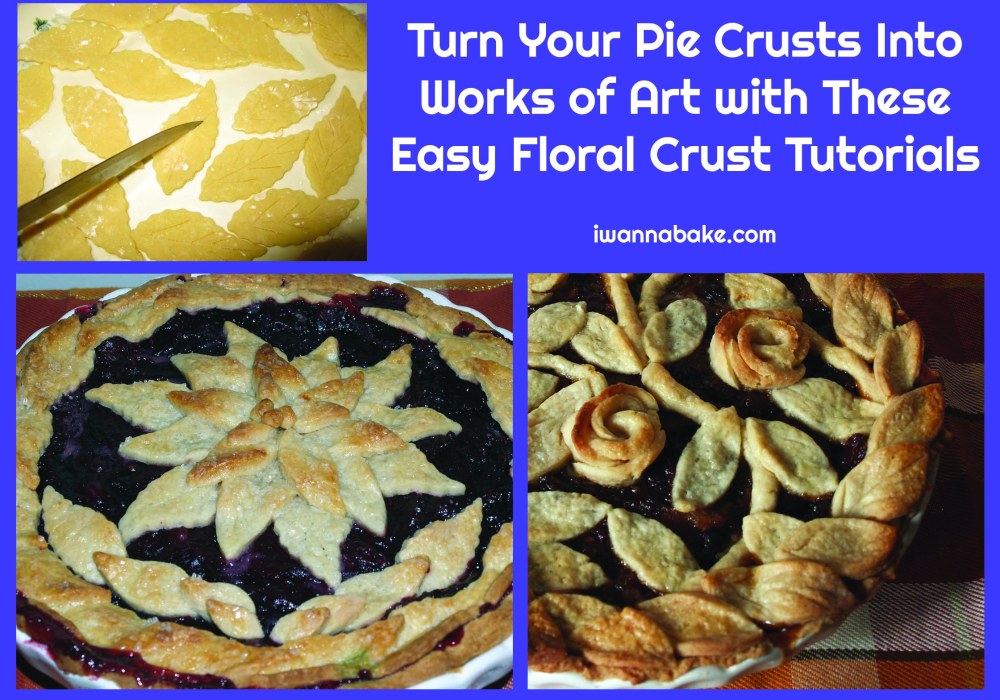
    Happy Pi Day! In honor of one of my favorite nerd holidays (and my two-year wedding anniversary), I’m wrangling together my three decorative pie crust tutorials in one post for easy access.

    The tutorials below work great for any two-crust pie.  All of these decorations will turn out just fine with store-bought pie crust, but here’s my favorite sweet pie crust recipe if you’d like to step it up a bit.  For savory pie, try this recipe.  If you need a pie recipe, I’ve got you covered.  Without further ado, let’s make some pie!

    Add a Leaf Border

    A leaf border is a simple way to dress up the edge of your pie crust and hide any ugly, ragged edges of your bottom crust.  You can make your leaves using a leaf-shaped cookie cutter, or you can get creative with a circle-shaped cutter, a glass, or any round object and a knife.  See the full tutorial right here.

    Make a Vine of Roses

    Want to know a secret?  The gorgeous pie crust you see above was beyond easy to make.  If you can roll out and cut circles out of a pie crust, you can do this.  Follow along using this tutorial and impress everyone with your next-level top crust skills.

    Make a Poinsettia

    Looking for a way to wow everyone at your next holiday party?  Add an edible poinsettia to the top of your pie, and your mission will be accomplished.  Check out this tutorial to find out how it’s done.

    Share this:

  • How to Make Sweet Pie Crust

    How to Make Sweet Pie Crust

    Sweet Pie Crust !
    Two weeks ago, I brought you savory pie crust.  This week, let’s take a look at sweet pie crust.  Once again, this recipe is made much easier with a food processor.  I usually use this pie crust as-is without any additions to let the flavor of the filling stand out (and because it tastes sort of like a sugar cookie).  In this instance, I’ve used grated lemon zest to complement an apple lemon pie I make in the summer, but you could substitute spices, other citrus zest, or anything else you like as long as it’s not too wet.

    For Sweet Pie Crust You will need the following ingredients:

    • 1 3/4 cups all-purpose flour
    • 1/2 cup granulated sugar
    • 10 Tbsp. butter
    • 3 Tbsp. cold heavy cream
    • 1 large egg yolk
    • zest of 1 lemon (optional)

    Start out by cutting your butter into 1/2″ cubes. Put your butter cubes in a resealable plastic bag and freeze it for at least half an hour. If you are planning on making a lot of pies, you can cut your butter in advance and save it in pre-portioned baggies in the freezer for when you’re ready to use it.

    Once your butter is sufficiently frozen, combine the flour, sugar, and lemon zest (or your seasoning of choice) in a food processor or stand mixer. If you don’t have either of those, you can still do this, but it will be much more difficult. Pulse the dry ingredients together to mix them. Add the butter and pulse until your mixture is the consistency of coarse sand.

    Add in the egg yolk and heavy cream. Pulse until the dough just begins to come together. It will still be pretty crumbly. You may need to work it with your hands a little to make it hold together.

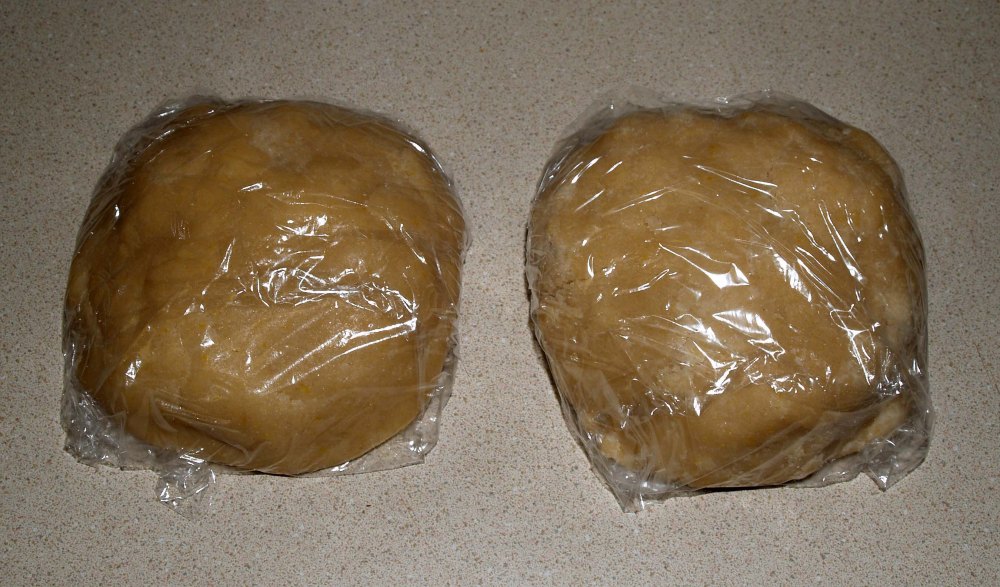
    Form your dough into two discs and wrap them in plastic wrap.

    Refrigerate the dough for at least an hour, or freeze up to two months. When you are ready to use the dough, roll it on a lightly floured surface and fit it to the baking dish of your choice.

    Do you have any delicious sweet pies you plan to make with this crust? Share in the comments!

    How to Make Sweet Pie Crust

    Sweet Pie Crust

    A buttery, sugar cookie-style pie crust made easily in a food processor. Perfect for fruit tarts, cream pies, and any sweet filling. Makes two crusts and freezes beautifully
    Prep Time 13 minutes
    Total Time 1 hour 45 minutes
    Servings: 2
    Course: Basics, Dessert
    Cuisine: American

    Ingredients
      

    • 1¾ cups all-purpose flour
    • ½ cup granulated sugar
    • 10 tbsp unsalted butter, cut into ½ inch cubes and frozen
    • 3 tbsp cold heavy cream
    • 1 large egg yolk
    • zest of 1 lemon (optional)

    Method
     

    1. Cut the butter into ½ inch cubes, place in a resealable bag, and freeze for at least 30 minutes. If baking often, keep pre-portioned bags of butter cubes in the freezer ready to go
    2. Combine the flour, sugar, and lemon zest or other seasoning of choice in a food processor or stand mixer. Pulse to mix the dry ingredients together
    3. Add the frozen butter cubes and pulse until the mixture resembles coarse sand
    4. Add the egg yolk and cold heavy cream. Pulse until the dough just begins to come together — it will still look fairly crumbly. Work it briefly with your hands if needed to help it hold together
    5. Divide the dough into two equal portions and form each into a disc. Wrap tightly in plastic wrap
    6. Refrigerate for at least 1 hour before using, or freeze for up to 2 months. When ready to use, roll out on a lightly floured surface and fit into your baking dish

    Notes

    Keeping the butter as cold as possible is the key to a flaky, tender crust — do not skip the freezing step. You can substitute the lemon zest with other citrus zest, cinnamon, nutmeg, or any dry flavoring that complements your filling. Avoid anything too wet as it will affect the dough texture. This crust tastes similar to a sugar cookie on its own, so it pairs well with fruit fillings, custard tarts, and cream pies. Dough discs can be frozen for up to 2 months — thaw overnight in the refrigerator before rolling
  • Strawberry Pie

    Strawberry Pie

    Easy Recipe of Strawberry Pie – Make Strawberry Pie At Home -Pro Tips

    You might recall that my husband and I created a chocolate strawberry pie many moons ago that we ended up serving at our wedding (among others).  Sadly, Josh had to make some drastic dietary changes about a year or so ago, one of which involves strictly limiting the amount of chocolate he consumes.  Rather than swearing off our strawberry pie altogether, I decided this called for a new recipe.  This one’s almost nothing like the old one, but it is equally delicious.

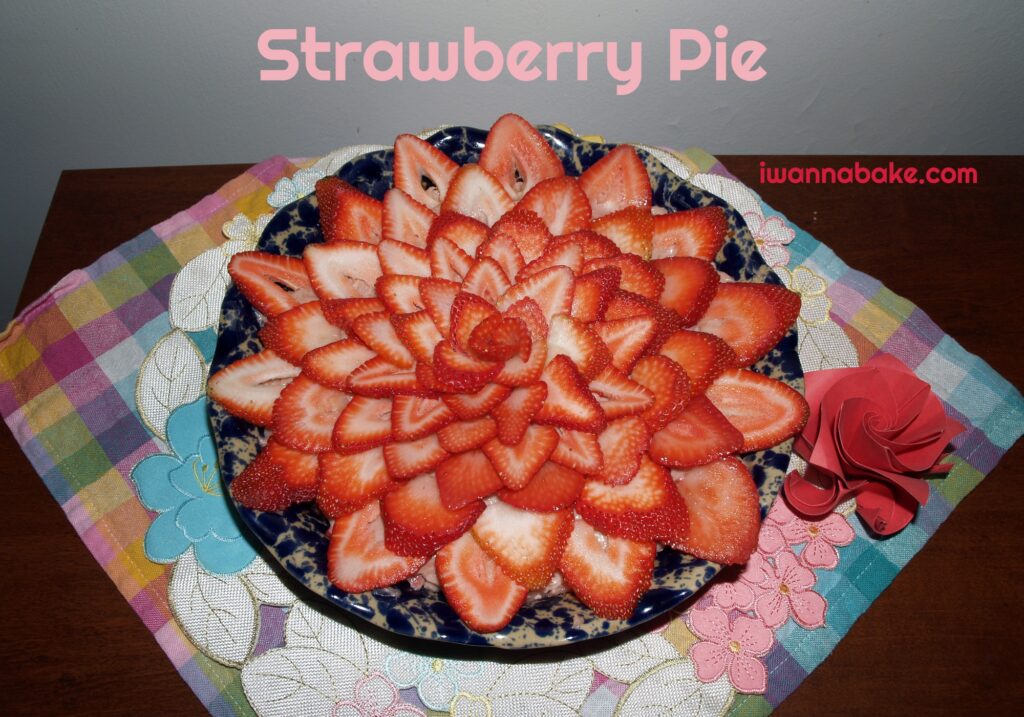
    At it’s core, this pie is essentially a banana cream pie that had a major strawberry makeover.  There are three layers of sliced strawberries, an impressive (and easy to make) flower decoration made out of strawberry slices on top, and even the custard is strawberry-flavored.  Between the pie itself and my habit of snacking on my ingredients while baking, I went through about two pounds of fresh strawberries and one package of freeze-dried strawberries making this.  You might be able to get away with one pound if you make your layers sparser and are less fussy with the sizes of your decorative pieces, but I’d recommend having an extra pound on hand just in case.  After all, if you’re making this pie, chances are you like strawberries.

    I based the recipe on the banana cream pie recipe in Joy of Cooking.  To get from banana cream to strawberry, I added ground up, freeze-dried strawberries to the vanilla custard, used strawberry slices instead of banana slices (obviously), and opted to cover the top with strawberries instead of the usual whipped cream.  You could add a whipped cream layer if you were so-inclined, but I felt the pie was just right without it.  If you do try it with whipped cream, I’d recommend cutting the tops off some strawberries and standing them up in the whipped cream on their cut ends around the edge of the pie.

    For Strawberry Pie You will need the following ingredients:

    For the pie:

    • 1 graham cracker crust
    • 1½-2 lbs. fresh strawberries
    • ⅔ cup granulated sugar
    • ¼ cup cornstarch
    • ¼ tsp. salt
    • 2½ cups whole milk
    • 5 large egg yolks
    • 3 Tbsp. unsalted butter, cut into ½” cubes
    • 1½ tsp. vanilla extract
    • 1 package (1.2 oz.)

      freeze dried strawberries (I bought these ones at Trader Joe’s)

    For baking ambiance:

    This is probably going to come out of nowhere, but this week’s recommendation is Judas Priest.  They have absolutely nothing to do with strawberry pie, I’ve just been into them lately (and my cat’s theme song is “Breaking the Law” when she’s being bad, which is often of late).

    Let’s get baking!

    Step:1 First, prepare your crust, Turn off your oven and set the crust aside to cool completely.

    Step:2

    Next, grind your freeze-dried strawberries into a fine powder using a stand mixer.  You can sift it to remove any remaining large-ish pieces, or you can just leave them in.  They will re-hydrate when you add them into your custard, but they do make the texture a little weird because.  That said, once everything’s put together, you don’t really notice.  In summary, whichever approach you choose will work out fine.

    Step:3 Carefully separate your eggs .  Set the yolks aside for now and reserve the whites for something else (macarons, anyone?).  Cut your butter into cubes and set these aside as well.

    Step:4 In a medium saucepan, whisk together the sugar, cornstarch, and salt.

    Whisk in the milk until the dry ingredients are dissolved.

    Add the egg yolks and whisk the mixture well until there are no more yellow streaks.

    Step:5 Heat the mixture over medium heat and bring it juuuuuust to a boil, stirring frequently.  Once it starts to boil, remove the pan from the heat immediately (but leave the burner on).  Some clumps will have formed on the bottom, so whisk the custard well until it’s smooth again.

    Return the saucepan to the heat and bring it back to a boil.  Immediately turn the heat down to low to reduce it to a simmer and cook for 1 more minute, whisking constantly.

    Step:6 Remove the pan from the heat again and whisk in the butter, 2-3 cubes at a time, and the vanilla extract.

    Whisk in the strawberry powder until the custard is as smooth as possible.  As mentioned earlier, there may be some lumpy bits of strawberry as they rehydrate, but this is ok.

    Transfer the finished custard to a medium bowl and press a piece of plastic wrap directly onto the surface.  Put it in the fridge to chill until it’s completely cool.

    Step:7 When you’re ready to bring it all together, it’s time to slice up some strawberries.  Cut off and discard the tops and slice each strawberry into very thin slices (approximately ⅛”-1/16″ thick).  Separate out the best-looking slices and save them for the top of your pie.  This is optional, but will make your finished pie look at little prettier.

    Spread approximately a third of the custard evenly across the bottom of the crust.

    Arrange a single layer of strawberry slices on top.

    Step:8 Repeat the previous two steps twice each (custard-strawberries-custard-strawberries).

    You can just pile strawberry slices on top, or you can arrange them to look like a flower with fairly minimal effort.  To make the flower, first arrange a circle of the largest remaining strawberry slices around the outer edge of the pie to look like petals.  It helps to actually rotate the pie plate while you do this so that they don’t end up oddly tilted.

    Add another ring of strawberry slices to partially overlap with the outer layer.

    Step:9 Continue to add concentric circles of strawberry slices, using smaller slices as your circles get smaller.  When you get the the very middle, take two little edge slices and fold them in half.  Stick them, interlocked, right into the middle of the flower.

    That’s all there is to it!  Your custard should be pretty set from having chilled completely before assembly, but you can chill your pie for another hour just to be safe if you wish.  Refrigerate any leftovers for up to 3 days.

    Enjoy!

    Follow My Latest Blogs For Pro Tips Of Baking / Mastery In Baking / Easy Baking Tips

    Easy Recipe of Strawberry Pie – Make Strawberry Pie At Home -Pro Tips

    New and Improved Strawberry Pie

    A stunning strawberry cream pie with three layers of fresh strawberry slices, strawberry-flavored custard, and a beautiful flower decoration on top. Like a banana cream pie that had a major strawberry makeover
    Prep Time 45 minutes
    Cook Time 15 minutes
    Total Time 2 hours
    Servings: 8
    Course: Dessert
    Cuisine: American

    Ingredients
      

    For the Pie
    • 1 graham cracker crust, baked and cooled
    • 1½–2 lbs fresh strawberries
    • ⅔ cup granulated sugar
    • ¼ cup cornstarch
    • ¼ tsp salt
    • 2½ cups whole milk
    • 5 large egg yolks
    • 3 tbsp unsalted butter, cut into ½ inch cubes
    • 1½ tsp vanilla extract
    • 1 package (1.2 oz) freeze-dried strawberries

    Method
     

    Prepare
    1. Prepare and bake your graham cracker crust according to your recipe or package instructions. Turn off the oven and set the crust aside to cool completely
    2. Grind the freeze-dried strawberries into a fine powder using a blender, food processor, or stand mixer. Sift to remove larger pieces if desired, or leave them in — they will rehydrate in the custard and you won't notice them once the pie is assembled
    3. Carefully separate the eggs, setting the yolks aside. Reserve the whites for another use such as meringue or macarons. Cut the butter into ½ inch cubes and set aside
    Make the Strawberry Custard
    1. In a medium saucepan, whisk together the sugar, cornstarch, and salt. Whisk in the milk until the dry ingredients are fully dissolved. Add the egg yolks and whisk well until no yellow streaks remain
    2. Heat over medium, stirring frequently, until the mixture just comes to a boil. Remove from heat immediately and whisk well to smooth out any clumps that have formed on the bottom
    3. Return to the heat and bring back to a boil. Immediately reduce to a simmer and cook for 1 more minute, whisking constantly
    4. Remove from heat. Whisk in the butter 2–3 cubes at a time, then whisk in the vanilla extract
    5. Whisk in the strawberry powder until as smooth as possible. Some lumpy bits may remain as the strawberry rehydrates — this is fine
    6. Transfer the custard to a medium bowl and press a sheet of plastic wrap directly onto the surface to prevent a skin from forming. Refrigerate until completely cool
    Assemble the Pie
    1. When the custard is fully chilled, slice the fresh strawberries very thin, about ⅛ to 1/16 inch thick. Set aside the best-looking slices for the decorative top layer
    2. Spread approximately one third of the custard evenly across the bottom of the cooled crust. Arrange a single layer of strawberry slices on top
    3. Repeat — spread another third of custard, then another layer of strawberry slices. Finish with the remaining custard and a final layer of strawberries
    Decorate
    1. To make the flower decoration, arrange a circle of the largest strawberry slices around the outer edge of the pie like petals. Rotate the pie plate as you work to keep them evenly angled
    2. Add another ring of slices slightly overlapping the first. Continue adding concentric circles of strawberry slices, using progressively smaller slices as you work toward the center
    3. For the very center, take two small edge slices, fold them in half, interlock them, and press them into the middle of the flower
    4. Chill the assembled pie for at least 1 hour before serving. Refrigerate leftovers for up to 3 days

    Notes

    Have at least 1½ lbs of strawberries on hand and ideally 2 lbs — you will use more than you expect between the layers and the decoration, plus snacking. The custard must be completely chilled before assembly or it will be too loose to layer. Press plastic wrap directly onto the custard surface while it chills to prevent a skin forming. For an extra indulgent version, add a layer of whipped cream on top and stand halved strawberries cut-side down around the edge
  • Cinnamon Tart

    Cinnamon Tart

    Cinnamon Tart Recipe — Silky Brown Sugar Custard Tart (Easy & Foolproof)

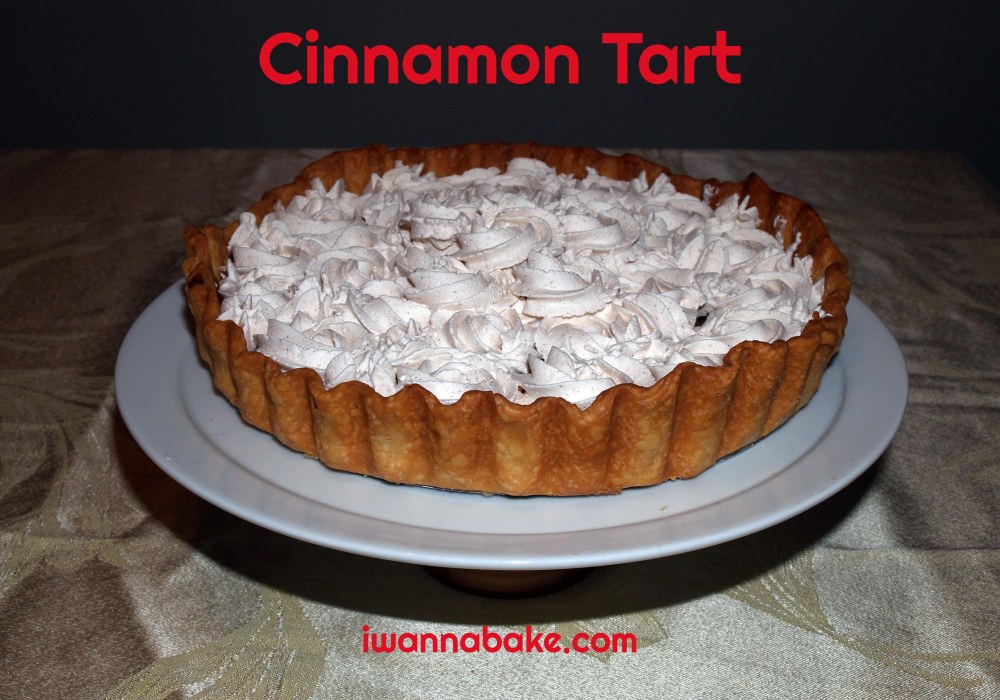
    If you have ever wanted a dessert that tastes like pure cinnamon in every single bite, this cinnamon tart recipe is exactly what you have been looking for. No pumpkin, no vanilla, no distractions — just a silky smooth brown sugar custard filling with deep, warm cinnamon flavor baked inside a buttery, crispy tart shell.

    After years of failed attempts — including one disastrous cinnamon quiche nobody asked for — I finally cracked the perfect texture using egg yolks and chai-infused milk. The result is a melt-in-your-mouth custard tart that looks impressive but is completely beginner-friendly.


    Why You Will Love This Cinnamon Tart

    • Pure cinnamon flavor — no competing spices or fillings
    • Silky smooth texture — egg yolks create a luxurious custard consistency
    • Only 8 ingredients — simple pantry staples
    • Perfect for holidays — elegant enough for Thanksgiving or Christmas
    • Make ahead friendly — stays fresh in the fridge for 2 days

    Ingredients for Cinnamon Tart Recipe

    For the Tart:

    • 1 pie crust (homemade or store-bought)
    • ½ cup whole milk
    • 1 chai or cinnamon tea bag
    • 1 cup granulated sugar
    • ½ cup (1 stick) unsalted butter, cubed
    • 8 large egg yolks
    • 1 tsp ground cinnamon

    For the Cinnamon Whipped Cream (Optional):

    • 1 cup (8 oz) heavy whipping cream
    • 3 tbsp powdered sugar
    • ½ tsp ground cinnamon

    Ingredient Notes:

    Egg yolks only — do not use whole eggs. The whites create a rubbery, quiche-like texture. Yolks are what give this tart its signature silky consistency.

    Milk substitute — if you prefer, replace milk with strongly brewed chai tea for an even deeper spice flavor.

    Crust tip — store-bought crust works perfectly here. No shame in it.


    Equipment You Will Need

    • 9-inch tart pan with removable bottom
    • Medium heat-proof bowl
    • Large frying pan (for double boiler)
    • Electric hand mixer or stand mixer
    • Piping bag with star tip (optional, for decoration)

    How to Make Cinnamon Tart — Step by Step

    Step 1 — Prepare and Blind Bake the Crust

    Preheat your oven to 425°F. Roll out your pie crust and fit it into a greased and floured 9-inch tart pan. Trim the edges flush with the pan. Prick the bottom all over with a fork.

    Important: Do not patch any tears in the crust. Tears create openings for your custard filling to leak through.

    Line the crust with aluminum foil and fill it with dry beans or a 9-inch cake pan as a weight. Bake for 15 minutes, then remove the foil and weights and bake for another 5 minutes until the crust is lightly golden.

    Reduce oven temperature to 350°F.


    Step 2 — Make the Chai Infused Milk

    While the crust bakes, combine milk and the tea bag in a small saucepan. Heat over medium until it just begins to simmer. Remove from heat and steep for 5 minutes.

    Remove the tea bag, squeezing it gently to keep all the flavor. Set the infused milk aside.


    Step 3 — Make the Custard Filling

    Fill a large frying pan with 1 inch of water and bring it to a gentle simmer. This is your double boiler setup.

    Place a heat-proof bowl over the simmering water. Add the cubed butter and sugar. Stir until the butter is completely melted.

    Whisk in the 8 egg yolks one at a time, then whisk in the infused milk.

    Continue whisking the mixture constantly over the simmering water until it thickens to the consistency of heavy cream. You will know it is ready when the custard coats the side of the bowl when you swirl it.

    Remove the bowl from the heat and whisk in the ground cinnamon until no clumps remain and the color is completely uniform.


    Step 4 — Bake the Tart

    Pour the hot custard filling into the pre-baked crust. Place the tart pan on a cookie sheet to catch any drips.

    Bake at 350°F for 15 to 20 minutes, until the center of the filling is set and does not jiggle when you gently shake the pan.


    Step 5 — Cool Completely Before Cutting

    This step is non-negotiable. Place the tart on a wire rack and allow it to cool to complete room temperature before slicing. Cutting into a warm custard tart will cause the filling to run. Patience here is the difference between a beautiful tart and a soggy mess.

    Once cooled, carefully remove the outer ring of the tart pan. If your pan was well greased, you can slide a thin spatula under the base and transfer it to a serving plate.


    Step 6 — Make the Cinnamon Whipped Cream (Optional but Recommended)

    Refrigerate your mixing bowl and beaters for at least 15 minutes before whipping.

    Pour cold heavy cream into the chilled bowl and beat on medium speed until it begins to hold its shape. With the mixer on low, add the powdered sugar and cinnamon. Increase to high speed and beat until stiff peaks form.

    Pipe or spread the whipped cream over the cooled tart before serving.


    Pro Tips for a Perfect Cinnamon Tart

    1. Use only egg yolks — this is the single most important tip. Whole eggs will ruin the texture.
    2. Do not rush the custard — constant whisking over the double boiler prevents scrambled eggs in your filling.
    3. Cool the tart completely — minimum 1 hour at room temperature, or refrigerate for 30 minutes.
    4. Blind bake your crust properly — skipping this step results in a soggy bottom.
    5. Patch-free crust — if your crust tears, start over or use a new store-bought crust. A patched crust will leak.

    Common Mistakes and How to Fix Them

    Problem: My filling came out like a quiche
    Cause: Whole eggs were used instead of yolks only.
    Fix: Always separate your eggs carefully and use yolks only.

    Problem: My custard has lumps
    Cause: The heat was too high or the mixture was not whisked constantly.
    Fix: Keep the water at a gentle simmer, never a rolling boil. Whisk constantly.

    Problem: My filling leaked out of the crust
    Cause: The crust had a tear or crack that was not caught before filling.
    Fix: Inspect your crust carefully after blind baking. Never patch — if it tears, replace it.

    Problem: My tart filling is runny after cooling
    Cause: It was underbaked or cut while still warm.
    Fix: Bake until the center does not jiggle. Cool completely before slicing.


    How to Store Cinnamon Tart

    • Refrigerator: Cover loosely and store for up to 2 days
    • Room temperature: Safe for up to 4 hours after baking
    • Freezer: Not recommended — custard filling changes texture when frozen
    • Whipped cream: Add fresh whipped cream only when serving, not before storing

    Frequently Asked Questions

    Q: Can I make this cinnamon tart the day before?
    Yes, this tart is actually better the next day. Bake it the night before, cool completely, then refrigerate overnight. Add whipped cream just before serving.

    Q: Can I use a store-bought pie crust for this tart?
    Absolutely. Store-bought crust works perfectly and saves significant time. This recipe was tested with store-bought crust and the results were delicious.

    Q: Why do I need 8 egg yolks?
    The high egg yolk count is what creates the silky, luxurious custard texture. Using fewer yolks or whole eggs results in a rubbery, quiche-like filling rather than a smooth custard.

    Q: Can I use a different tea flavor?
    Yes. Any spiced tea works well here. Try cardamom tea, masala chai, or even a strong Earl Grey for a different flavor twist.

    Q: What is the difference between a tart and a pie?
    A tart uses a straight-sided, shallow pan with a removable bottom, giving it a more refined shape. A pie uses a deep, sloped pan. This recipe works in either, but a tart pan gives the best presentation.

    Q: Can I make this recipe as a full-sized pie?
    Yes, but you will need to scale up the ingredients. A full 9-inch deep pie would require approximately 12 egg yolks and increased quantities of all other ingredients.


    Tried this cinnamon tart recipe? Leave a star rating and comment below — it helps other bakers find this recipe and means the world to this little baking blog!

    Check Out My Latest Blogs For More Recipes :