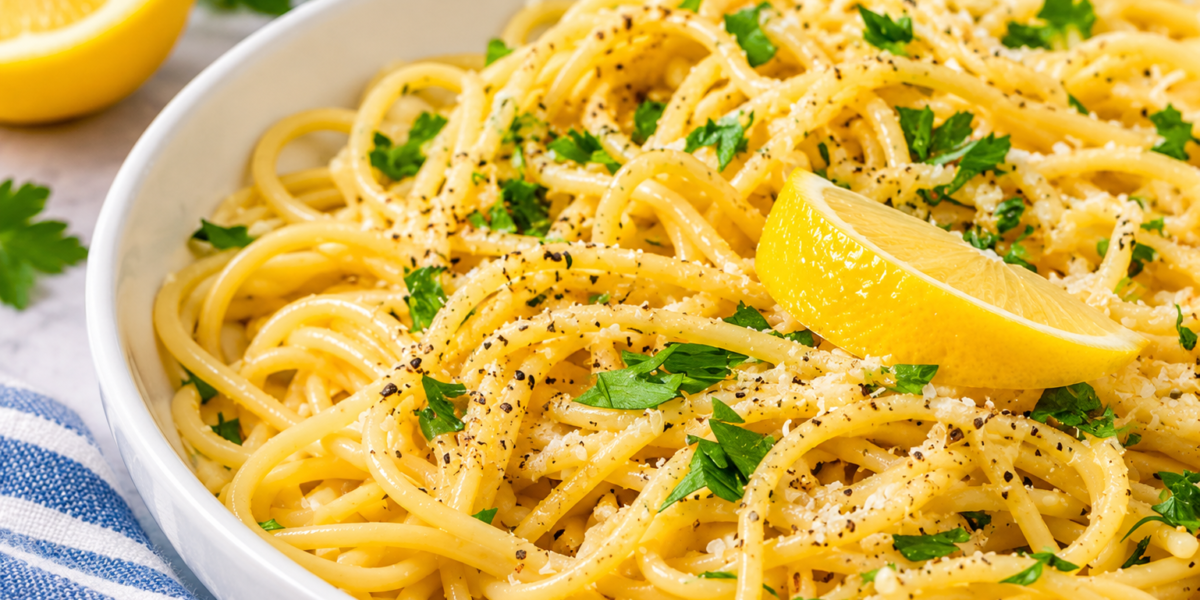
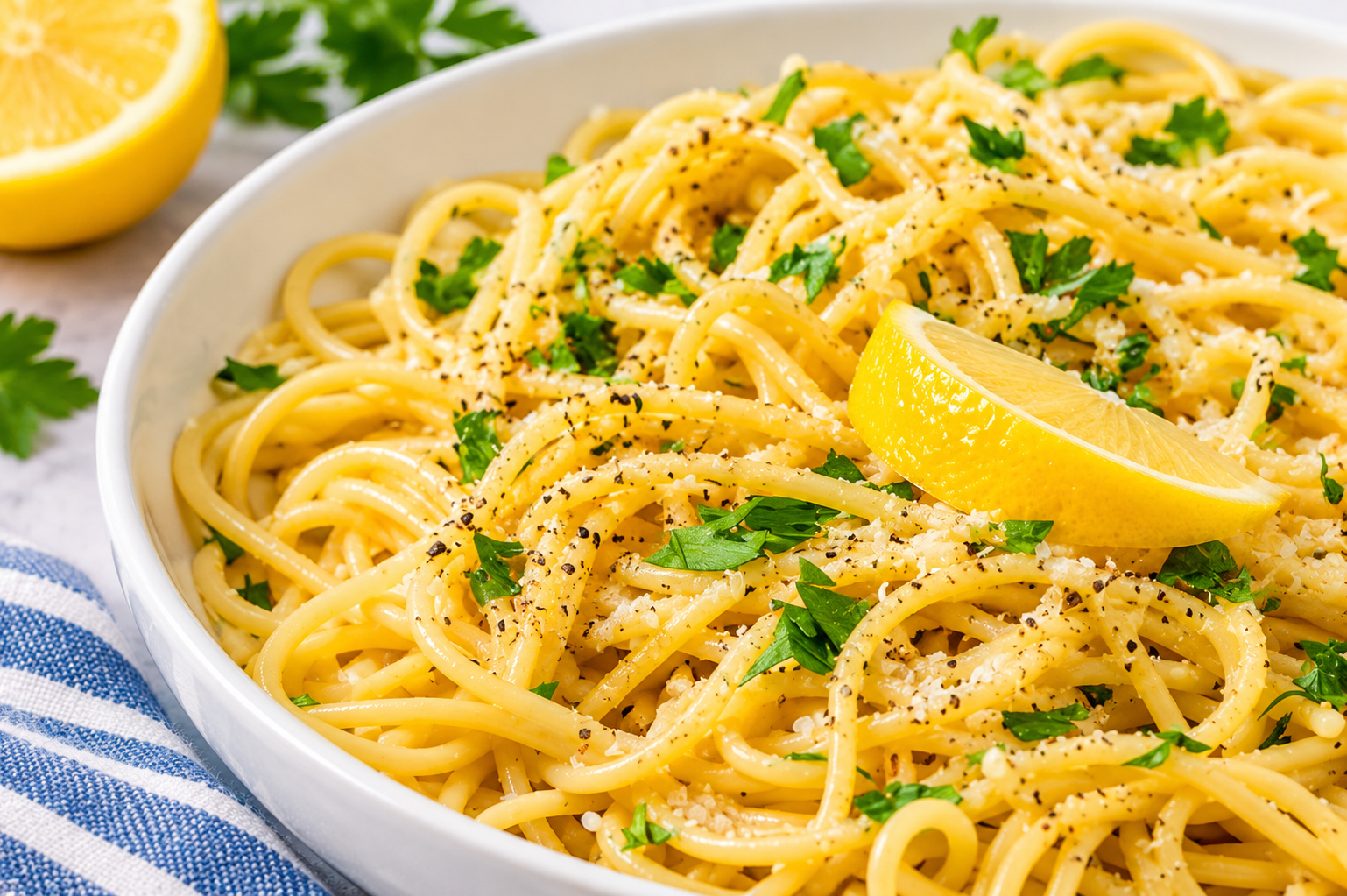
Garlic parmesan pasta is the kind of dinner you can pull together when the fridge looks empty and everyone is hungry. 🧄 You need one pot for the pasta, one pan for the sauce, and about 25 minutes. The result is glossy spaghetti coated in a buttery garlic sauce with a savory, nutty Parmesan finish.
The trick is not the ingredient list. It is how you combine them. Starchy pasta water, a little patience with the garlic, and freshly grated cheese turn simple butter and Parmesan into a smooth sauce that clings to every strand instead of pooling at the bottom of the bowl.
What Makes This Garlic Parmesan Pasta Work
Many versions of this recipe end up oily or clumpy. Three small choices prevent that:
⦁ Starchy pasta water: Pasta water holds the butter and cheese together so the sauce turns creamy without any cream.
⦁ Low-heat garlic: Cooking it gently in butter gives sweet, rounded flavor. Browned garlic turns bitter fast.
⦁ Fresh Parmesan, off the heat: Cheese melts smoothly when added off the heat, and it avoids the anti-caking powders found in pre-grated tubs.
This is a great main dish for a busy night and an even better side for roast chicken, steak, or shrimp.
Ingredients You Need
⦁ 12 oz spaghetti or linguine
⦁ 4 tablespoons unsalted butter
⦁ 1 tablespoon olive oil
⦁ 5 large garlic cloves, finely minced
⦁ 1 cup freshly grated Parmesan (about 3 oz), plus extra for serving
⦁ 1 to 1½ cups reserved pasta water
⦁ ½ teaspoon freshly ground black pepper
⦁ 2 tablespoons chopped fresh parsley
⦁ Kosher salt, for the pasta water and to taste
⦁ Optional: ¼ teaspoon red pepper flakes, zest of ½ lemon
Ingredient Tips
Use a block of Parmesan and grate it finely, ideally with a microplane. Fine shreds melt faster and blend into the sauce. Let the butter sit out for a few minutes if it is rock hard, but it does not need to be soft.
Substitutions and Swaps
Running short on something? This table shows what to use and how it changes the final dish.
| Ingredient | Easy Swap and What to Expect |
| Spaghetti | Linguine or fettuccine: wider surface holds more sauce. Penne works too, but the sauce clings less. |
| Butter | Extra virgin olive oil: lighter, slightly peppery. Use 3 tbsp instead of 4 tbsp butter. |
| Fresh garlic | Garlic powder (½ tsp): milder and less aromatic. Add it with the Parmesan, not to the pan. |
| Parmesan | Pecorino Romano: saltier and sharper, so reduce added salt. Skip pre-grated tubs; they clump. |
| Pasta water | Chicken or vegetable broth: works in a pinch, but add it slowly since it won’t thicken as well. |
| Parsley | Fresh basil or chives for a different herb note. |
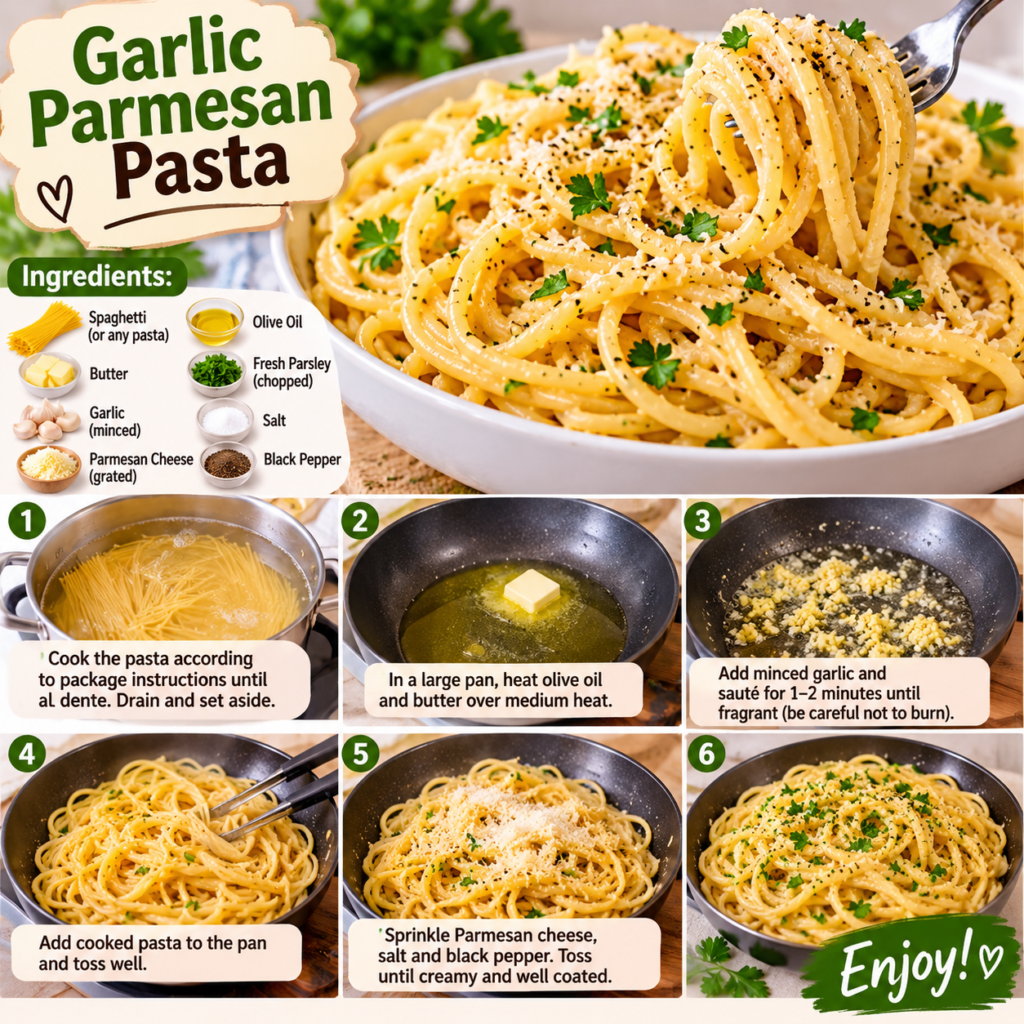
How to Make Garlic Parmesan Pasta Step by Step
The recipe card above has the full method. Here is what to look for at each stage so it comes out right.
What the Sauce Should Look Like
Right after you add the pasta water, the butter and liquid will look slightly separated. That is normal. Once you toss in the cheese and keep the noodles moving, the sauce comes together into a smooth, glossy coating. If you can drag a spoon through the pan and the sauce slowly flows back in, you are done.
Signs It Is Ready
⦁ The noodles look shiny, not dry or greasy.
⦁ The cheese has melted fully with no visible clumps.
⦁ The pasta is tender with a slight bite in the center.
Expert Tips for the Best Garlic Parmesan Pasta
⦁ Salt the water well. Salty water seasons the pasta from within. It should taste like mild seawater.
⦁ Use a big pan. A wide skillet gives you room to toss and helps the sauce reduce evenly.
⦁ Take the pan off the burner for the cheese. Pasta is hot enough to melt the cheese. Direct heat can make Parmesan stringy or grainy.
⦁ Mince the garlic finely. Fine garlic cooks evenly. Large chunks burn on the edges before the middle softens.
⦁ Serve quickly. Warm bowls keep the sauce silky longer.
Common Mistakes to Avoid
⦁ Browning the garlic. It tastes bitter. If it darkens, start over with fresh garlic.
⦁ Draining all the pasta water away. You will need it to finish the sauce.
⦁ Adding all the cheese at once on high heat. This causes clumping.
⦁ Overcooking the pasta. It continues to soften in the pan, so pull it early.
Variations to Try
⦁ Creamy garlic parmesan pasta: Add heavy cream or half-and-half (¼ cup) for a richer, Alfredo-style finish.
⦁ Lemon garlic parmesan pasta: Stir in zest and a squeeze of juice for brightness.
⦁ Veggie boost: Toss in sautéed mushrooms, cherry tomatoes, or baby spinach in step 4.
⦁ Protein add-ins: Top with sliced chicken, shrimp, or crispy bacon.
⦁ Crunchy topping: Scatter toasted breadcrumbs over the top for crunch.
What to Serve With Garlic Parmesan Pasta
Keep the meal simple. A crisp green salad, roasted broccoli, or garlic bread are natural partners. If you are building a full dinner, try pairing it with garlic bread recipe or a homemade dessert like Brownies Without Butter. 🍝
Storage and Reheating
Refrigerator
Cool the pasta, then store it in an airtight container for up to 4 days.
Freezer
This pasta can be frozen for up to 2 months, though the texture is best fresh. Freeze flat in a freezer bag, thaw overnight in the fridge.
Reheating
Warm in a skillet over low heat with 2 to 3 tablespoons of water or broth, tossing until loose and glossy. A microwave works too: heat in 30-second bursts, stirring in between.
Troubleshooting
⦁ Sauce too thick or sticky: Add hot pasta water a tablespoon at a time and toss over low heat.
⦁ Sauce looks oily: Too much butter or not enough pasta water. Add a splash of hot water and toss vigorously.
⦁ Grainy or clumpy cheese: The cheese was too hot or pre-grated. Remove from heat and whisk in warm water; use fresh cheese next time.
⦁ Bland flavor: Cook the garlic a little longer on low heat, or add a pinch of salt and a squeeze of lemon.
Frequently Asked Questions
Can I make garlic parmesan pasta ahead of time?
Yes, but it is best served fresh. Cook the pasta until just al dente, cool, and store the sauce separately if you want to prep ahead. Combine and toss in a skillet when ready.
What pasta is best for garlic parmesan pasta?
Spaghetti, linguine, and fettuccine hold the sauce best. Short shapes like penne or rigatoni work as well.
Can I use jarred minced garlic?
You can, but fresh garlic has a cleaner, sweeter flavor. If using jarred, use about 2½ tablespoons and cook it briefly.
Is this recipe vegetarian?
Traditional Parmesan contains animal rennet, so check labels or choose a vegetarian-friendly hard cheese.
How do I make it creamier?
Add more pasta water gradually, or stir in a splash of cream or a spoonful of cream cheese at the end.
Related Recipes
⦁ Easy Garlic Bread
⦁ Homemade Focaccia
⦁ Cheesy Breadsticks
⦁ Banana Bread (for dessert)
Garlic Parmesan Pasta
Ingredients
Method
- Boil the pasta. Bring a large pot of water to a boil. Add a generous amount of salt, about 1 tablespoon. Cook the pasta 1 minute short of the package time so it stays al dente.
- Save the pasta water. Before draining, scoop out 1½ cups of the cloudy pasta water and set it aside. Drain the pasta and do not rinse it.
- Cook the garlic gently. In a large, wide skillet over medium-low heat, melt the butter with the olive oil. Add the garlic and cook 60 to 90 seconds, stirring often, until fragrant and pale gold. Do not let it brown.
- Build the sauce base. Pour in ½ cup of the pasta water and let it simmer for 1 minute. Add the red pepper flakes, if using.
- Add the pasta. Add the drained pasta to the skillet and toss with tongs. Turn off the heat.
- Add the cheese off the heat. Sprinkle in the Parmesan a handful at a time, tossing constantly. Add more pasta water, 2 to 3 tablespoons at a time, until the sauce is glossy and coats the noodles.
- Finish and serve. Stir in black pepper, parsley, and lemon zest if using. Taste and add salt only if needed, since Parmesan is salty. Serve right away with extra cheese.
Notes
⦁ Use freshly grated Parmesan. Pre-grated cheese often turns grainy.
⦁ For a heartier meal, add grilled chicken, shrimp, or sautéed spinach.
⦁ Storage: refrigerate in an airtight container up to 4 days. Reheat gently with a splash of water.